Hukuna Matata
“It means no worries for the rest of your days.” – Timon
One of the most famous magicians of all time may have been Walt Disney. Scraping the surface of the psychological tricks and illusions that the Imagineers (Disney engineers) pull off comes so close to actual magic.
This summer, my family and I had saved up for a vacation to Orlando, primarily staying at Walt Disney World. Even though I like to think I’ve developed a keen awareness of how these parks and rides use forced perspectives, mirrors, and animatronics, I was still frequently caught off guard. I would highly recommend looking up a walkthrough of one of the latest (and most popular) rides: Guardians of the Galaxy: Cosmic Rewind. The ‘teleporter’ effect honestly blows you away on a first ride.
However, seeing the teleporter again, I kinda knew what I was looking for, and (spoiler alert) the walls move up to reveal the new room when the lights turn off. A lot of the “Disney magic” is lost when the effects are slowed down and analysed. But this creates a different sort of magic: innovation.
Most successfully in my opinion was Star Wars galaxies edge, based on the newer films it takes visitors to a new planet. Details range from the majority of the text being in a fictional language to staff members greeting guests with in-world phrases. All of this immersion is supported by tiny details such as these, including notable Disney effects like pumping scents and background music. Attention to detail has pushed Disney and Universal a league above the rest in family-thrilling offerings.
However, this willingness to become one with the parks falls on the shoulders of the user, me, you and every other person forking out Disney dollars for Disney magic. And unfortunately, the design experience can only do so much.
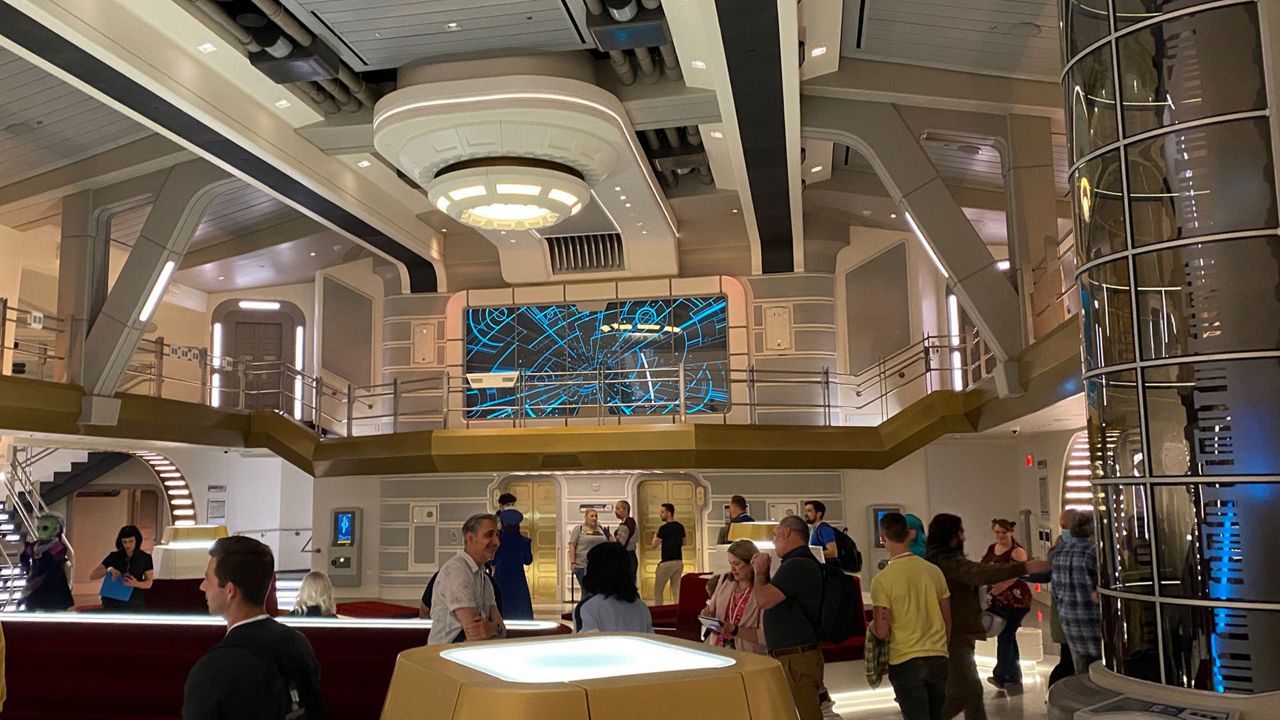
A few years ago, Disney unveiled an ambitious new way for users to experience the parks, pushing the capabilities of immersion to their max. Galactic Cruiser was a two-night experience set aboard a starship, featuring interactive plot lines, live actors, performances, a fully themed interior and in-universe eating. However, it also included families of four, men in Star Wars shirts and khaki shorts and Disney adults. To get the most out of the experience, the user needed to align with the designers’ vision fully. Getting the Jedi robes, learning the terminology and fully engaging with their plots in the hotel. A main reason this hotel failed, aside from an exorbitant ~$ 1,200-per-guest-per-night price of entry, was that it would have failed even if comparable to other premium Disney resorts, due to the user.
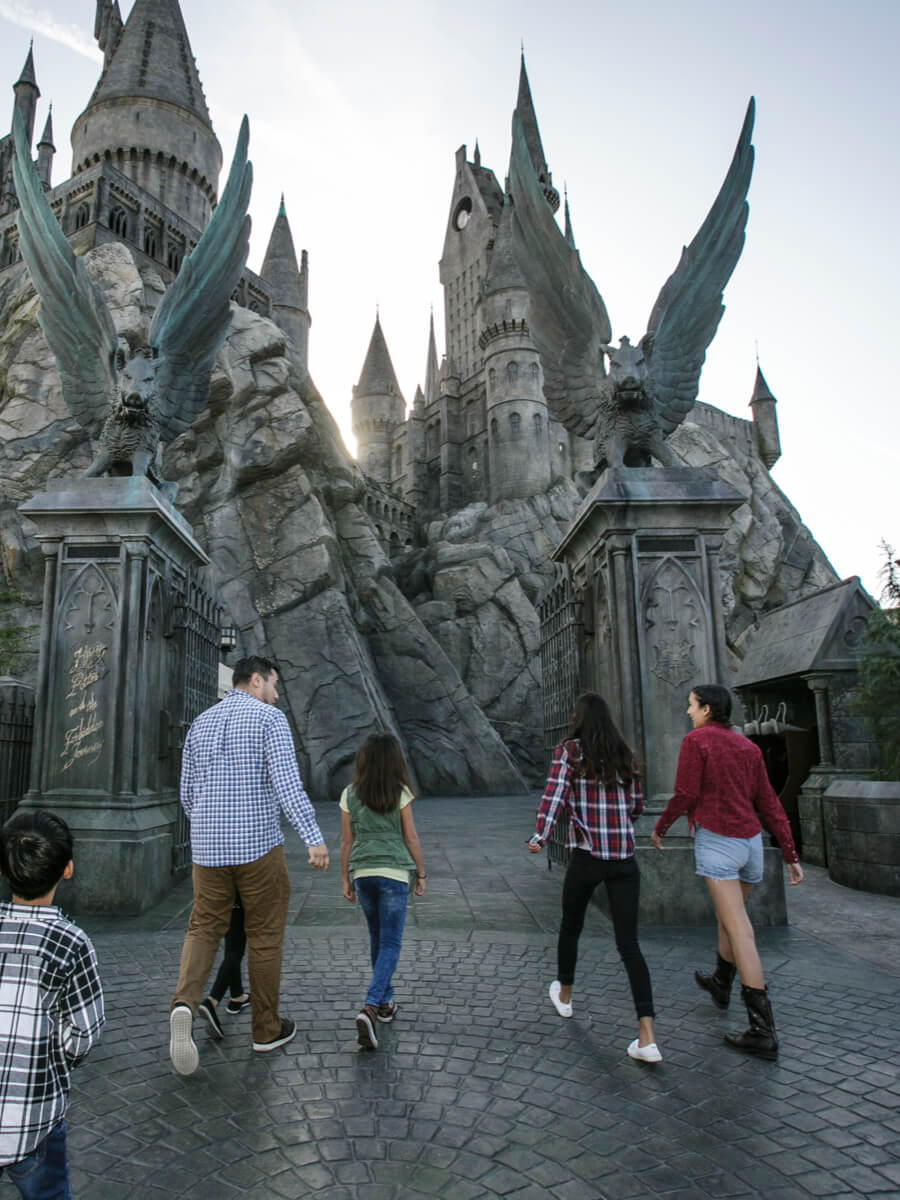
And I don’t blame the user at all, I think the designer expected too much of the poor souls. Theme park designers hit the nail on the head the first time round, with Harry Potter World. People may not realise they don’t actually want to be a part of the world, just passing through using a park ticket. The ceiling is hit after buying the robes, wand, and then riding a broomstick in Hogwarts and calling it a day.
Design shortcomings fall on the designer’s shoulders. If an air fryer is hard to operate, that’s on the design of the controls, not on the user. This can be applied to flying the Millennium Falcon: give the user just enough to enjoy the ride, but they ultimately have dinner with Elsa from Frozen in an hour, so as designers, we have to give them just enough to feel a part of the design, then pull back before they check out.
Referances